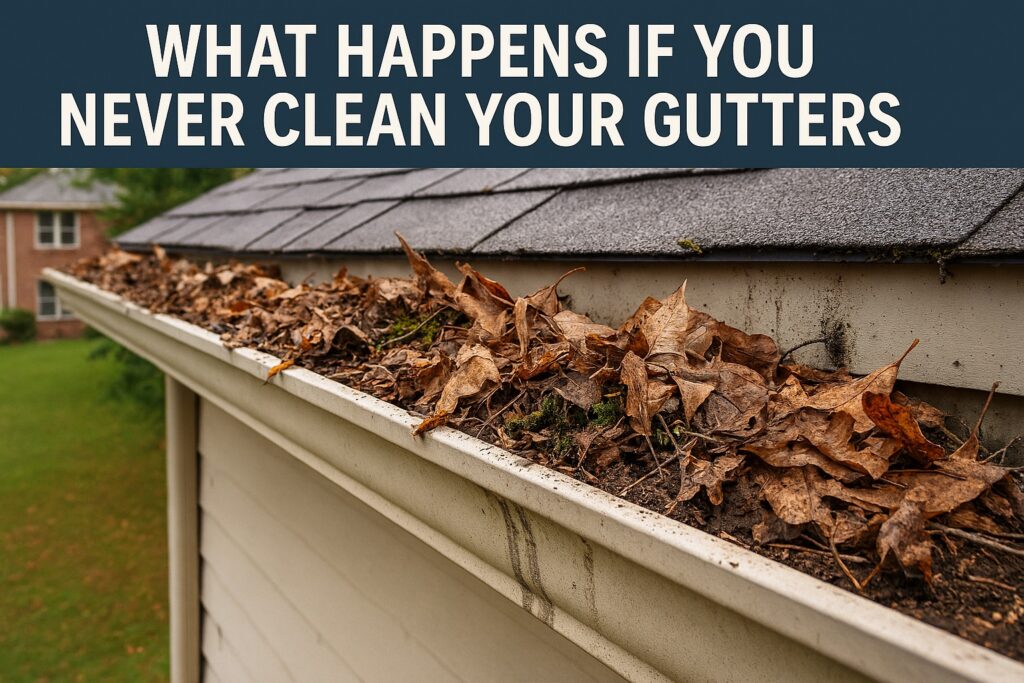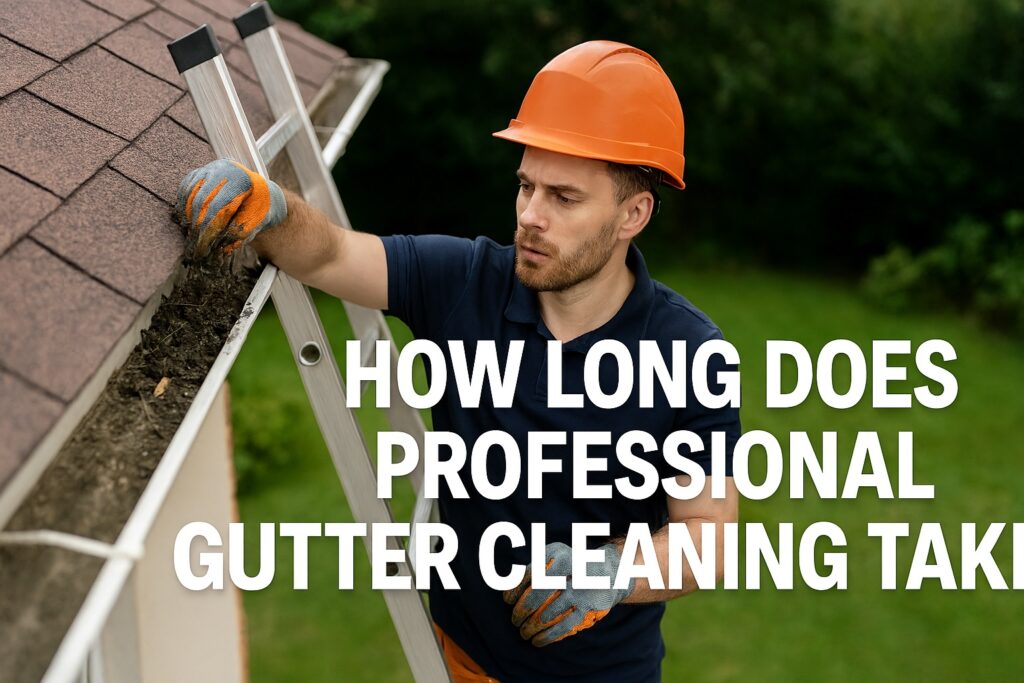
Homeowners ask this question every year, especially before fall hits: Do gutter leaf guards really work? The simple answer is yes, they work in most normal conditions, but not in every situation. They keep out a large amount of debris, reduce clogs, and make gutter cleaning easier. They don’t remove all maintenance, and some types perform much better than others. Weather patterns, roof shape, and the kind of trees around your home all play a role.
In places like Georgia, where storms, heavy leaves, and pine needles are common, performance can vary. A good gutter guard can save time and reduce problems, but the wrong one can still clog or overflow.
Table of Contents
How Gutter Leaf Guards Actually Work
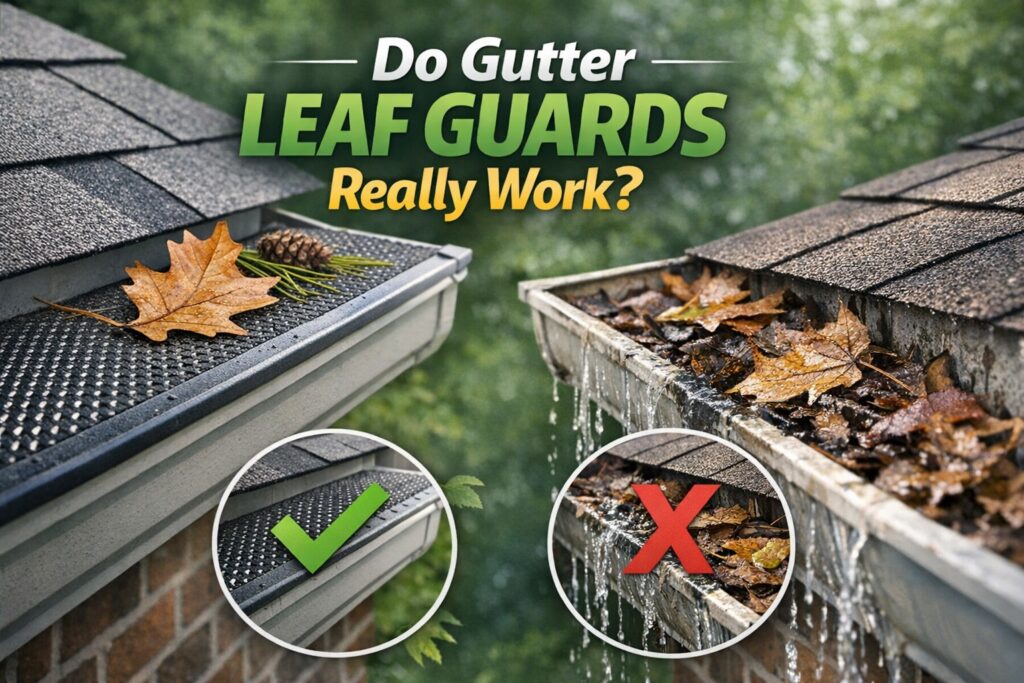
Gutter guards sit over or inside your gutters to block debris while allowing water to pass through. They create a simple filter system. Water flows through openings, mesh, or a curved surface and drops into the gutter. Leaves and debris stay on top, dry out, and then blow away on their own.
The basic idea is the same across all designs.
• Keep leaves out
• Keep water flowing
• Lower the number of clogs
• Reduce how often you need cleaning
What changes is how well each design handles small debris, stormwater, and tree types.
Why You Need Full-Time Gutter Protection
Types of Gutter Leaf Guards (Clear Comparison)
Homeowners often assume all guards work the same way, but each type works differently. The material, opening size, and fit decide how well they handle debris and heavy rain.
Micro-Mesh Guards
Fine mesh made of stainless steel or aluminum. They block almost everything, including pollen and small seeds. They handle rain well if installed with the right pitch. These are the best options for mixed debris or homes surrounded by trees.
Screen Guards
Metal or plastic screens with medium openings. They stop large leaves and sticks, but struggle with pine needles and small debris. They work fine for basic leaf protection but may need more upkeep.
Foam Inserts
These sit inside the gutter. The foam blocks pass through while water flows. They clog fast, grow mold in humid areas, and break down over time. Not ideal for long-term use.
Brush Guards
A bottle-brush style insert that keeps leaves above the gutter. Larger debris stays out, but small debris gets trapped. Cleaning these can be messy.
Reverse-Curve Guards
A curved cover that guides water around an edge while debris falls off. They shed leaves well but sometimes struggle with heavy downpours. They can also be noticeable from the ground.
Drop-In Panels
Simple flat panels that drop into the gutter. Easy to install, but weak for storms or small debris.
Do Gutter Guards REALLY Work? (Based on Conditions)
The real answer depends on what challenges your roof faces.
Heavy Leaves
Yes, guards stop large leaves effectively. Micro-mesh, screen, and reverse-curve designs all perform well.
Pine Needles
Most guards struggle except with micro-mesh. Pine needles slip through larger openings and pile up in corners.
Pollen and Small Debris
Only micro-mesh handles fine debris well. Foam and screen types often clog.
Stormwater and Heavy Rain
High-volume rain can overwhelm cheap guards. Reverse-curve guards sometimes overshoot the gutter. Micro-mesh works if installed with enough slope.
Roof Pitch
Steep roofs shed water quickly, which can cause overflow with some guards. Flat roofs collect more debris and need strong filtration.
Old or Damaged Gutters
If gutters already sag or leak, guards can’t fix the problem. They only prevent debris buildup, not structural issues. Replace the damaged gutter before installing gutter guards.
Improper Installation
Most failures are due to poor installation, not to the guard itself. Wrong angle, loose screws, gaps, or valleys not treated correctly all lead to problems. Get a proper gutter guard installation now to protect your gutters and make them work properly.
Where Gutter Guards Work Best
Gutter guards perform well when the home has steady but manageable debris and normal rainfall. They help most in these situations:
• Single-story homes where debris falls evenly
• Yards with mostly broadleaf trees
• Gutters in good condition with proper slope
• Areas with moderate rain instead of constant storms
• Homeowners who prefer light yearly upkeep instead of monthly cleaning
• Roofs without sharp valleys that push water too fast
In these conditions, guards reduce clogs, improve flow, and keep downspouts clear.
How to Clean Gutters With Gutter Guards (Step-by-Step Guide for Homeowners)
Where Gutter Guards Struggle or Fail
Gutter guards are not perfect. They may underperform when the environment or roof setup works against them.
• Heavy storms push water over some designs
• Pine needles slip into open screens and corners
• Roof valleys send too much water in one spot
• Cheap foam absorbs water, grows mold, and blocks flow
• Low-quality plastic screens sag under weight
• DIY installation often creates gaps that trap debris
• Old gutters with dips or bends collect buildup even with guards
• Homes under constant shedding trees still need regular checks
Knowing these limits helps homeowners choose a guard that fits their roof, rather than expecting one type to solve everything.
Pros and Cons of Gutter Leaf Guards
Pros
• Reduce the number of cleanings needed each year
• Keep downspouts clear, lowering the risk of clogs
• Shield fascia boards and walls from overflow damage
• Help prevent standing water that attracts pests
• Improve long-term water flow during rain
• Lower chance of ice forming inside gutters in winter climates
Cons
• They don’t remove cleaning completely
• Some designs struggle with small debris
• Upfront cost is higher than basic cleaning
• Cheap products sag, warp, or clog
• Overflow can happen with poor installation
• Some types are visible from the yard and change the look of the home
Do Gutter Guards Reduce Gutter Cleaning?
They reduce cleaning, but they never remove it. A clean gutter with guards collects less debris, but some material will still land on top. Homeowners usually shift from cleaning several times a year to once or twice.
Micro-mesh systems need the least attention, while screens and foam need the most. Cleaning turns into a light rinse or brush-off instead of a full scoop-out job.
Cost and Value Breakdown
The price depends on the material, roof height, guard type, and installer. Most US homeowners fall into a common range.
• Basic screens: low cost, simple install
• Micro-mesh: higher cost, strongest long-term value
• Reverse-curve systems: mid to high cost
• Foam and brush: low cost, short lifespan
Installation cost rises when gutters need repairs, the home has a steep roof, or trees are close to the roofline. Guards make the most sense for homes with recurring clog issues or for owners who want fewer maintenance days throughout the year.
How to Choose the Right Gutter Guard for Your Home
A good choice starts with matching the guard to your debris type.
Pine needles need micro-mesh.
Regular leaves work with screens or mesh.
Heavy storms call for a guard with solid flow capacity.
Homes with strong roof valleys benefit from a custom valley protection system.
Budget shapes the decision, but long-term durability matters more than a small upfront saving.
Kennesaw homes deal with storms, leaf drop, and pine needles. Micro-mesh guards perform the best here because they filter small debris and handle heavy rain. Older homes may need gutter repairs before installing guards. Homes under tall trees benefit most from full-length gutter protection.
Local service like GFlow Kennesaw helps because the installer understands Georgia rain patterns, roof shapes, and debris types. A proper fit prevents overflow, sagging, and early clogging.
FAQs
Do gutter guards overflow in heavy rain?
Some do. Overshoot occurs when guards sit flat or when water hits roof valleys at high speed. A slight downward pitch and the right design prevent this.
Do gutter guards work with pine needles?
Only micro-mesh handles pine needles well. Larger openings let them slip through.
Do gutter guards stop animals?
They help keep out birds, squirrels, and insects by blocking open gaps in the gutter.
Do gutter guards void a roof warranty?
Most do not when installed correctly. Problems come from guards that slide under shingles the wrong way.
How long do gutter guards last?
Metal mesh and solid covers last for many years. Foam and brush inserts break down quickly and need early replacement.
Conclusion
Gutter leaf guards work well when matched to the home, the roof, and the type of debris. They reduce clogs, keep water moving, and cut down on cleaning, but they don’t remove maintenance completely. Micro-mesh gives the best long-term protection for mixed debris and heavy rain.
For Kennesaw homeowners, the right guard paired with proper installation offers steady performance through storms and fall leaf drop. A quick inspection shows which type fits your home and which upgrades help your gutters perform smoothly all year round.